












Renewable Energy Management

Renewable Energy Management at a Glance
MEGA’s renewable energy progress is measured through renewable energy consumption, solar generation and avoided greenhouse gas emissions.
- Renewable energy source
- Renewable energy consumed within the organization
- Renewable energy share of total energy consumed
- Solar generation in 2025
- CO2e avoided from solar in 2025
- Cumulative solar generation, 2018–2025
- Cumulative CO2e avoided from solar, 2018–2025
- Total solar investment disclosed
- Recognition
Challenges and Opportunities
Energy transition is becoming more important as companies respond to climate change, energy cost volatility and stakeholder expectations for lower-carbon operations.
For MEGA, the challenge is to increase renewable energy use while maintaining reliable operations, product quality and cost discipline across manufacturing and distribution activities.
The opportunity is clear. On-site solar energy can reduce exposure to purchased electricity, lower greenhouse gas emissions and support the Company’s climate-related goals. It also helps make renewable energy part of daily operations, not only a long-term aspiration.
Operations require reliable electricity for manufacturing, storage and support systems.
Use on-site solar energy to support cleaner and more resilient energy supply.
Purchased electricity remains a major part of MEGA’s energy mix.
Increase renewable energy contribution where feasible to reduce energy-related emissions.
Climate expectations from stakeholders are increasing.
Strengthen transparent disclosure of renewable energy generation, renewable energy consumption and CO2e avoided.
Renewable energy projects require investment and operational planning.
Use long-term solar investment to support energy transition and climate resilience.
Performance figures must be clearly reported and not mixed across different energy metrics.
Distinguish between renewable energy consumption and total solar generation for stronger transparency.

Why Renewable Energy Management Matters to MEGA
Renewable energy matters because energy use is directly connected to MEGA’s environmental footprint. By using solar energy in our operations, MEGA can reduce greenhouse gas emissions, support climate action and improve the way we use resources. Renewable energy also supports business resilience because energy availability and cost can affect operations, supply continuity and long-term planning.
Our Renewable Energy Management Approach
MEGA’s renewable energy approach focuses on practical implementation. We prioritize on-site solar energy in locations where it can support operations, reduce emissions and contribute to long-term energy transition.
Renewable energy is managed as part of MEGA’s broader environmental management and climate change response. Solar generation contributes to greenhouse gas reduction, while energy performance is monitored under MEGA’s environmental and energy disclosures. This creates a clear connection between renewable energy, energy management and climate action.
At the same time, MEGA separates renewable energy disclosure from general energy efficiency. Energy efficiency focuses on reducing consumption and improving operations. Renewable energy management focuses on replacing part of conventional energy use with cleaner sources, mainly solar energy.
Solar Energy Footprint
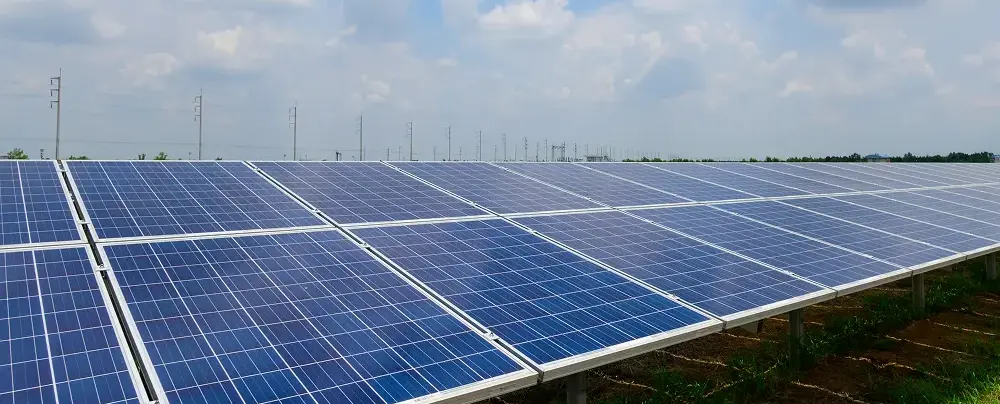
MEGA has installed solar plants at its Thailand manufacturing facility, Myanmar distribution center, and Australia manufacturing facility. These locations represent MEGA’s currently disclosed renewable energy footprint.
Since the 2018 base year, MEGA’s solar installations in Thailand, Myanmar and Australia have generated 14,880 MWh of renewable electricity and avoided 7,851 tCO2e. This progress was delivered through a total disclosed investment of USD 1.5 million, supporting MEGA’s long-term decarbonization strategy, energy transition and climate change commitment.
Understanding Our Renewable Energy Figures
MEGA tracks renewable energy in two ways to support transparent performance disclosure. Renewable energy consumption shows the renewable energy included in MEGA’s total energy consumption. In 2025, renewable energy consumption within the organization was 2,414.02 MWh, representing 7.56% of total energy consumed.
MEGA also tracks solar generation from installed solar plants in Thailand, Myanmar and Australia. In 2025, these solar installations generated 2,901 MWh and avoided 1,425 tCO2e. This solar generation figure reflects the output of MEGA’s solar installations, while renewable energy consumption is used in the Company’s energy performance reporting.
Two Renewable Energy Metrics
| Metric | 2025 Figure | What It Shows |
|---|---|---|
| Renewable energy consumed within the organization | 2,414.02 MWh | Renewable energy included in total energy consumption |
| Solar generation from installed solar plants | 2,901 MWh | Electricity generated by solar installations in Thailand, Myanmar and Australia |
Solar Generation Trend
MEGA’s solar generation has grown from 188 MWh in 2018 to 2,901 MWh in 2025. This trend shows how on-site solar has become a more meaningful part of MEGA’s renewable energy contribution over time.
Solar Generation
Cumulative Solar Performance by Location
| Location | Cumulative Solar Generation, 2018–2025 | Cumulative CO2e Avoided |
|---|---|---|
| Thailand | 11,677 MWh | 5,097 tCO2e |
| Myanmar | 1,858 MWh | 1,486 tCO2e |
| Australia | 1,345 MWh | 1,268 tCO2e |
| Total | 14,880 MWh | 7,851 tCO2e |

Disclosed Target / Management Focus
MEGA continues to promote renewable energy as part of our climate change response, energy transition and environmental management. Our focus is to use solar energy where feasible, monitor renewable energy performance transparently, and strengthen the contribution of renewable energy to lower-carbon operations.

Continue using solar energy as MEGA’s disclosed renewable energy source.

Continue measuring renewable energy consumption within the organization.

Continue tracking solar generation from installations in Thailand, Myanmar and Australia.

Continue monitoring CO2e avoided from solar generation.

Continue disclosing renewable energy as part of total energy consumption.

Continue connecting renewable energy with climate change, carbon footprint reduction and environmental management.

Continue considering renewable energy investments where they support operational needs, emissions reduction and business resilience.