












Materiality Assessment and Target

Our Materiality Assessment Approach
MEGA conducts materiality assessment annually as part of our sustainability management and reporting process. The assessment is based on stakeholder engagement, business context, current realities, regulatory developments and MEGA’s environmental, social and governance footprint. The 2025 assessment represents a transition year. MEGA has applied selected double materiality principles to strengthen the current materiality matrix, while preparing for full adoption of a more formal double materiality assessment process in 2026.
In 2025, MEGA considered feedback and inputs from key stakeholders, including shareholders, analysts, financial institutions, customers, suppliers, employees, communities, government agencies and regulators. These inputs were gathered through channels such as annual and quarterly meetings, opportunity day interactions (Earning call), site visits, customer interactions, employee feedback, supplier inputs, regulatory updates, surveys and other engagement activities. These inputs helped MEGA understand stakeholder concerns, expectations and potential impacts connected with the Company’s operations and value chain.
The assessment was also informed by business and external context, including regulatory developments, climate-related risks, supply chain conditions, human rights expectations, product responsibility, cyber security, stakeholder trust and other sustainability-related matters that may affect MEGA’s ability to create long-term value.

The assessment process helps MEGA to:
- Identify actual and potential, positive and negative impacts related to MEGA’s business activities, products, services and business relationships;
- Understand sustainability-related risks and opportunities that may affect MEGA’s business continuity, competitiveness, stakeholder trust and long-term value creation;
- Prioritize material topics based on their significance from both impact and business relevance perspectives;
- Align sustainability priorities with risk management, business planning and operational improvements; and
- Set targets and management focus areas for continuous improvement.
For the full double materiality adoption planned in 2026, MEGA expects to further strengthen the process through the following steps:

Context & Value Chain

Stakeholder Engagement

Identify IROs

Assess & Score

Prioritise & Disclose
Materiality Matrix
MEGA’s materiality matrix reflects the relative importance of each sustainability topic to stakeholders and to the business. The results are grouped into three dimensions: Environmental, Social and Governance. For 2025, the matrix should be read as a transitional double materiality view. It continues to show the relative prioritization of sustainability topics, while also beginning to consider how each topic relates to MEGA’s external impacts and business resilience.
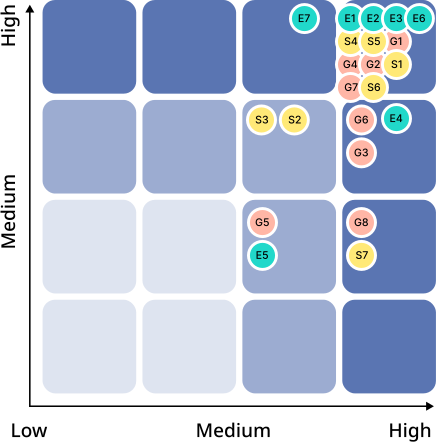
Environmental Dimension
| Dimension | Key Performance Indicators | Reporting Boundary | SDGs at play | |
|---|---|---|---|---|
| E1 | Waste Management and Hazardous Materials | Optimization and disposal. | Thailand manufacturing |
    |
| E2 | Water Management | Intensity and recycling. | ||
| E3 | Ground Water Utilization | Risk Assessment and analysis of ground water usage. | ||
| E4 | Energy Intensity and Clean Energy Pivot | Improving Carbon footprint and reducing energy consumption. | ||
| E5 | Sustainable Packaging | Recycled / Recyclable packaging and reducing wastage. | ||
| E6 | Biodiversity Conservation | Study of Biodiversity and impact of Mega’s operations in sensitive areas if any. | ||
| E7 | Climate Adaptation and Mitigation | Maintaining the sustainability of the business by optimizing the use of resources and considering optimizing renewable resources. | ||
Social Dimension
| Dimension | Key Performance Indicators | Reporting Boundary | SDGs at play | |
|---|---|---|---|---|
| S1 | Availability and Affordability of Medicines | To make good quality medicines available at affordable prices. | Thailand and Rest of World |
   |
| S2 | Talent Attraction and Retention | Ensuring congenial workplace for attracting and retaining talent. | ||
| S3 | Employee Health and Safety | Elimination or Reduction of employee injuries, fatalities and absenteeism due to workplace injuries. | ||
| S4 | Human Rights | Conducting Human Rights risk assessment within the company and in Supplier workplace. | ||
| S5 | Personal Data Protection | Implementation of Data Protection laws and ensuring data protection. | ||
| S6 | Diversity, Equity & Inclusiveness | Ensuring that employees are treated equally and allowed fair opportunity to grow. | ||
| S7 | Product Stewardship and Customer Satisfaction | Ensuring that the products and services meet customer’s expectations and feedback system is functional. | ||
Governance Dimension
| Dimension | Key Performance Indicators | Reporting Boundary | SDGs at play | |
|---|---|---|---|---|
| G1 | Ethical Conduct | Ensuring compliance with business Ethics and Code of Conduct. | Thailand and Rest of World |
      |
| G2 | Anti-Corruption / Anti-Bribery |
Conducting bribery / corruption risk assessment and mitigation. Driving industry excellence in this space. |
||
| G3 | Intellectual Property Protection | Ensuring compliance with Intellectual Property laws and ensuring protection of Company’s intellectual property. | ||
| G4 | Cyber Security | Risk Assessment and protection against cyber attacks. | ||
| G5 | Supply Chain Risk Management | Ensuring compliance with supplier code of conduct and screening suppliers before onboarding. | ||
| G6 | Risk & Crisis Management | Identifying and mitigating operational risks. | ||
| G7 | Business Continuity Management | Ensuring that businesses continue in the event of disasters, adverse impacts having a high negative impact on business. | ||
| G8 | Innovation Management | Considering the Double Materiality approach we have classified the Materiality topics. | ||
From Assessment to Action
The results of materiality assessment are used to guide MEGA’s sustainability priorities, risk management, operational planning, stakeholder engagement and disclosure. Each material topic is managed by responsible functions and ESG dimension leaders, with oversight through MEGA’s sustainability governance structure. As MEGA moves towards full double materiality adoption, the link between material topics, impacts, risks, opportunities, targets and accountable functions will be further strengthened.
MEGA also links material topics with performance monitoring and public disclosure. Environmental topics are tracked through indicators such as energy consumption, renewable energy, greenhouse gas emissions, water withdrawal, water consumption, waste generated, waste diverted from disposal and waste directed to disposal. Social topics are tracked through areas such as employee engagement, training, health and safety, human rights, diversity and customer satisfaction. Governance topics are tracked through ethics, anti-corruption, risk management, supplier governance, business continuity and cyber security processes.
