












องค์กรแห่งความยั่งยืน

โครงสร้างการกำกับดูแลด้านความยั่งยืน
ความยั่งยืนของบริษัทนำโดยคณะผู้บริหารของบริษัท และกำกับดูแลโดยคณะกรรมการบริษัทผ่านคณะกรรมการความยั่งยืน การบริหารความเสี่ยง และบรรษัทภิบาล
คณะกรรมการบริษัทมีความรับผิดชอบโดยรวมในการกำกับดูแลทิศทางระยะยาวของบริษัท การกำกับดูแลกิจการ การบริหารความเสี่ยง และการพัฒนาอย่างยั่งยืน คณะกรรมการบริษัทพิจารณาความยั่งยืนเป็นส่วนหนึ่งของความยืดหยุ่นและความพร้อมรับมือของธุรกิจ การเติบโตอย่างมีความรับผิดชอบ และความสามารถของบริษัทในการสร้างคุณค่าให้แก่ผู้ถือหุ้น พนักงาน ลูกค้า คู่ค้า ชุมชน และสังคม
คณะกรรมการความยั่งยืน การบริหารความเสี่ยง และบรรษัทภิบาลสนับสนุนคณะกรรมการบริษัทในการกำกับดูแลแนวปฏิบัติด้านความยั่งยืน กระบวนการบริหารความเสี่ยง และแนวปฏิบัติด้านการกำกับดูแลกิจการ คณะกรรมการชุดนี้ทบทวนนโยบายด้านความยั่งยืน กรอบการบริหารความเสี่ยง ขอบเขตการรายงานด้านความยั่งยืน นโยบายการกำกับดูแลกิจการ จริยธรรมทางธุรกิจ แนวปฏิบัติต่อต้านการให้สินบน นโยบายสิทธิมนุษยชน และแผนปฏิบัติการที่เกี่ยวข้อง นอกจากนี้ ยังรายงานความเสี่ยงสำคัญและประเด็นด้านความยั่งยืนต่อคณะกรรมการบริษัทอย่างสม่ำเสมอ หรืออย่างน้อยปีละครั้ง
คณะกรรมการความยั่งยืน การบริหารความเสี่ยง และบรรษัทภิบาล

ดร. นิธินาถ สินธุเดชะ
- กรรมการอิสระ
- รองประธานกรรมการ
- ประธานกรรมการความยั่งยืน บริหารความเสี่ยง และบรรษัทภิบาล
- กรรมการสรรหา
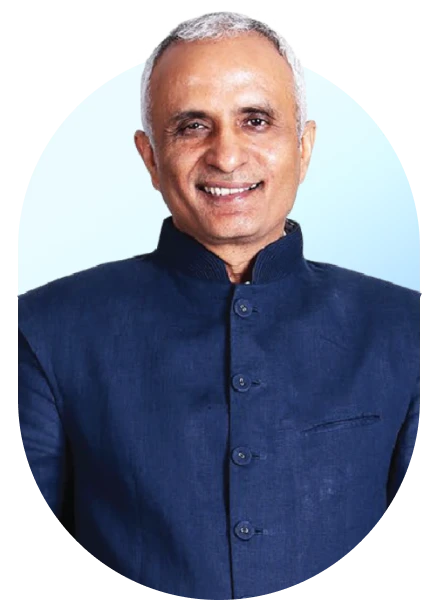
นายวิเวก ดาวัน
- กรรมการบริหาร
- ประธานเจ้าหน้าที่บริหาร
- กรรมการพิจารณาค่าตอบแทน
- กรรมการความยั่งยืน การบริหารความเสี่ยงและบรรษัทภิบาล
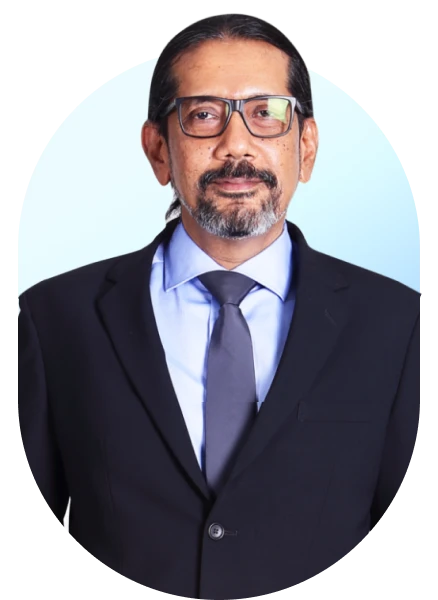
นายโธมัส อับบราฮัม
- กรรมการบริหาร
- ประธานเจ้าหน้าที่การเงิน
- กรรมการความยั่งยืน การบริหารความเสี่ยงและบรรษัทภิบาล
การกำกับดูแลด้านความยั่งยืนของคณะกรรมการ
คณะกรรมการบริษัทกำกับดูแลด้านความยั่งยืนโดยทำให้มั่นใจว่าบริษัทมีนโยบาย โครงสร้างการกำกับดูแล ทีมบริหารที่รับผิดชอบ และกระบวนการติดตามที่เหมาะสม ข้อมูลด้านความยั่งยืนได้รับการทบทวนโดยฝ่ายบริหาร เสนอต่อประธานเจ้าหน้าที่บริหาร ทบทวนโดยคณะกรรมการความยั่งยืน การบริหารความเสี่ยง และบรรษัทภิบาล และเสนอต่อคณะกรรมการบริษัทเพื่อพิจารณาอนุมัติ
การเปลี่ยนแปลงสภาพภูมิอากาศยังถูกรวมอยู่ในการกำกับดูแลด้านความยั่งยืนและความเสี่ยงในระดับคณะกรรมการของบริษัท บริษัทดำเนินการประเมินความเสี่ยงทั่วทั้งบริษัทเป็นประจำทุกปีผ่านหัวหน้าหน่วยธุรกิจ ระบุมาตรการรับมือที่จำเป็น ดำเนินการตามแผนปฏิบัติการ และประเมินความคืบหน้าความเสี่ยงและโอกาสที่เกี่ยวข้องกับสภาพภูมิอากาศได้รับการรายงานต่อคณะกรรมการความยั่งยืน การบริหารความเสี่ยง และบรรษัทภิบาล และคณะกรรมการบริษัทอย่างน้อยปีละหนึ่งครั้ง จากนั้นคณะกรรมการบริษัทจะกำหนดทิศทางสำหรับการดำเนินการเพิ่มเติม
บริษัทพิจารณาการเปลี่ยนแปลงสภาพภูมิอากาศทั้งจากมุมมองด้านการบรรเทาผลกระทบและการปรับตัว ซึ่งรวมถึงความเสี่ยงทางกายภาพ เช่น น้ำท่วม ระดับน้ำทะเลที่สูงขึ้น และภัยพิบัติทางธรรมชาติ รวมถึงความเสี่ยงจากการเปลี่ยนผ่าน เช่น กฎระเบียบในอนาคตที่เกี่ยวข้องกับคาร์บอน โครงการริเริ่มที่เกี่ยวข้องกับสภาพภูมิอากาศ รวมถึงการลดการปล่อยก๊าซเรือนกระจก พลังงานหมุนเวียน ประสิทธิภาพการใช้พลังงาน และการลงทุนในสินทรัพย์ถาวรตามแผนที่สนับสนุนการดำเนินงานคาร์บอนต่ำ ได้รับการบริหารจัดการผ่านระบบการจัดการสิ่งแวดล้อม และรายงานต่อคณะกรรมการบริษัทในฐานะส่วนหนึ่งของโครงการริเริ่มด้านความยั่งยืนของบริษัท

ความรับผิดชอบของผู้บริหาร
ความยั่งยืนเป็นหนึ่งในความรับผิดชอบสำคัญของประธานเจ้าหน้าที่บริหารและ Chief Coach และเป็นส่วนหนึ่งของตัวชี้วัดผลการดำเนินงานหลักของประธานเจ้าหน้าที่บริหาร ซึ่งคณะกรรมการบริษัทพิจารณาเมื่อประเมินผลการปฏิบัติงาน
ประธานเจ้าหน้าที่บริหารยังทำหน้าที่เป็นหัวหน้าด้าน ESG โดยเชื่อมโยงการกำกับดูแลของคณะกรรมการบริษัทกับการตัดสินใจของผู้บริหารและการนำไปปฏิบัติจริงทั่วทั้งบริษัท
ผู้นำด้าน ESG
องค์กรด้านความยั่งยืนของบริษัทได้รับการสนับสนุนจากผู้นำระดับสูงที่รับผิดชอบแต่ละมิติด้าน ESG

มิติด้านสิ่งแวดล้อม
นำโดยหัวหน้าฝ่ายปฏิบัติการการผลิต มิตินี้มุ่งเน้นการปรับตัวต่อการเปลี่ยนแปลงสภาพภูมิอากาศและการบรรเทาผลกระทบ ความเข้มข้นการใช้พลังงาน การเปลี่ยนผ่านสู่พลังงานสะอาด การลดการปล่อยก๊าซเรือนกระจก การบริหารจัดการน้ำ การใช้น้ำบาดาล การจัดการของเสียและวัสดุอันตราย บรรจุภัณฑ์ที่ยั่งยืน การอนุรักษ์ความหลากหลายทางชีวภาพ และการใช้ทรัพยากรอย่างมีประสิทธิภาพ

มิติด้านสังคม
นำโดยประธานเจ้าหน้าที่ฝ่ายบุคคล มิตินี้มุ่งเน้นบุคลากรและสุขภาวะของมนุษย์ รวมถึงการมีอยู่และราคาที่เข้าถึงได้ของยา การดึงดูดและรักษาบุคลากรที่มีศักยภาพ สุขภาพและความปลอดภัยของพนักงาน สิทธิมนุษยชน การคุ้มครองข้อมูลส่วนบุคคล ความหลากหลาย ความเสมอภาค และการมีส่วนร่วมอย่างครอบคลุม การดูแลความรับผิดชอบต่อผลิตภัณฑ์ และความพึงพอใจของลูกค้า

มิติด้านเศรษฐกิจ / บรรษัทภิบาล
นำโดยประธานเจ้าหน้าที่ฝ่ายความเสี่ยงและการกำกับดูแลกิจการ มิตินี้มุ่งเน้นการดำเนินงานอย่างมีจริยธรรม การต่อต้านการทุจริตและการต่อต้านการให้สินบน การปฏิบัติตามกฎระเบียบ การคุ้มครองทรัพย์สินทางปัญญา ความมั่นคงปลอดภัยไซเบอร์ การบริหารความเสี่ยงในห่วงโซ่อุปทาน การบริหารความเสี่ยงและภาวะวิกฤต การบริหารความต่อเนื่องทางธุรกิจ การบริหารจัดการนวัตกรรม และการดำเนินธุรกิจอย่างมีความรับผิดชอบ
